

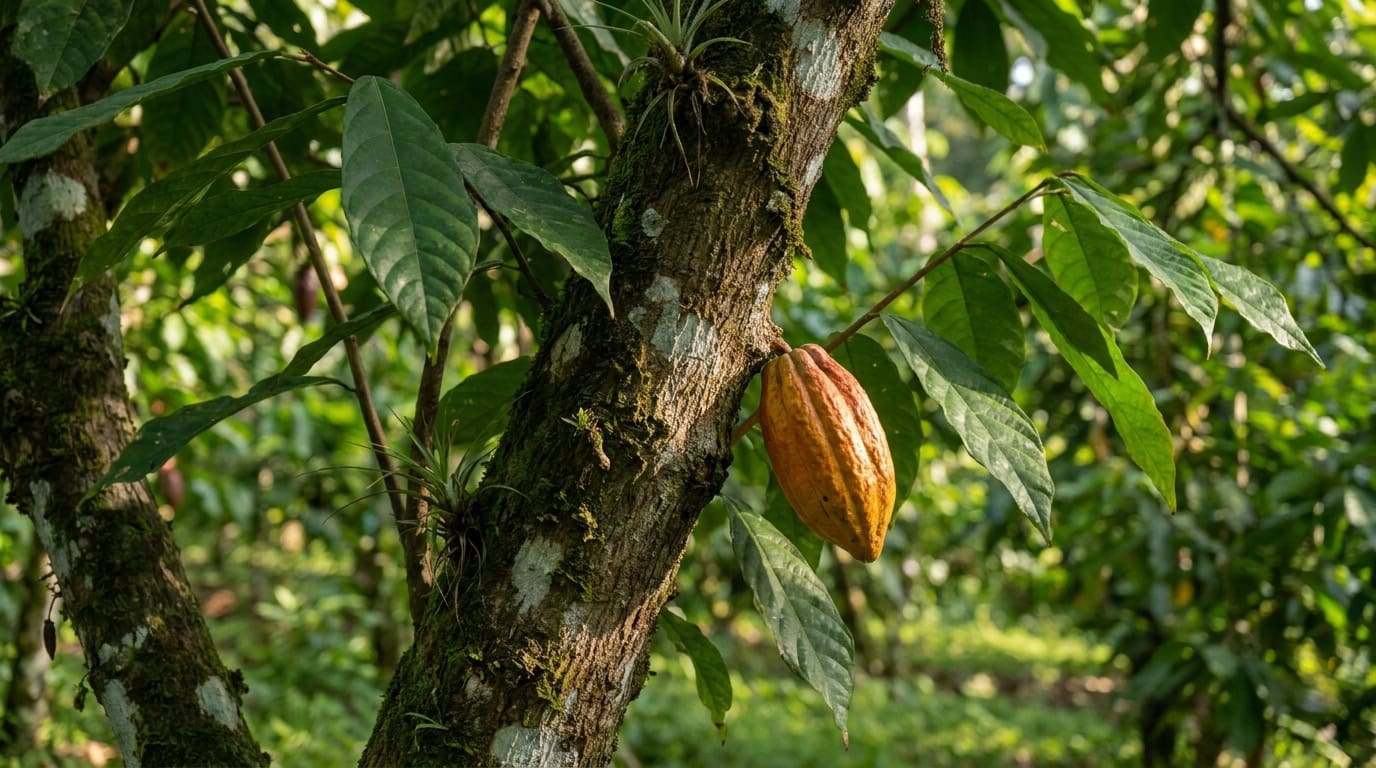
Cocoa is much more than just the ingredient used to make chocolate.
The beans from Theobroma cacao naturally contain a unique combination of flavanols, minerals, theobromine and other plant compounds. It is precisely this rich composition that has made cocoa an interesting subject of research into, amongst other things, cardiovascular health, cognitive function, the gut microbiome and healthy ageing.
At Wise Rootz, we therefore see cocoa as more than just a tasty treat. It is a food with a history stretching back centuries, boasting a rich cultural heritage and fascinating modern science.
From flavanols and magnesium to theobromine and the microbiome: Here are 10 qualities that make cocoa so special.
One of the most interesting properties of cocoa is its natural content of polyphenols, including flavanols such as epicatechin.
Flavanols are plant-based compounds that are being extensively studied for their interaction with, amongst other things, our blood vessels, metabolism and various cellular processes.
Cocoa is one of the foods that can be naturally rich in these compounds.
The amount of flavanols that ultimately remain depends, amongst other things, on the cocoa variety, its origin and how it is processed. Fermentation, drying and heating can all affect the final composition.
That is precisely why quality, origin and processing It’s so interesting when you look at cocoa.
One of the most extensively researched areas relating to cocoa is the vascular function.
Cocoa flavanols are being studied for their relationship with the endothelium: the thin layer of cells lining the inside of our blood vessels, which plays a key role in regulating vascular function.
This field of research has now advanced to such an extent that the European Food Safety Authority (EFSA) has assessed a health claim regarding a specific daily intake of cocoa flavanols in relation to the maintenance of normal endothelium-dependent vasodilation.
In addition, meta-analyses of controlled studies have examined various cardiometabolic markers, including blood pressure, blood lipids and insulin sensitivity.
This makes the heart and blood vessels some of the most interesting and most extensively researched areas within modern cocoa science.
Our brains, too, depend on a good supply of oxygen and nutrients.
That is why scientists are investigating the relationship between cocoa flavanols, cerebral blood flow and cognitive function.
Human studies have examined, amongst other things, memory, attention, information processing and various aspects of cognitive performance.
This makes cocoa particularly interesting within the growing field of research into the relationship between nutrition and brain health.
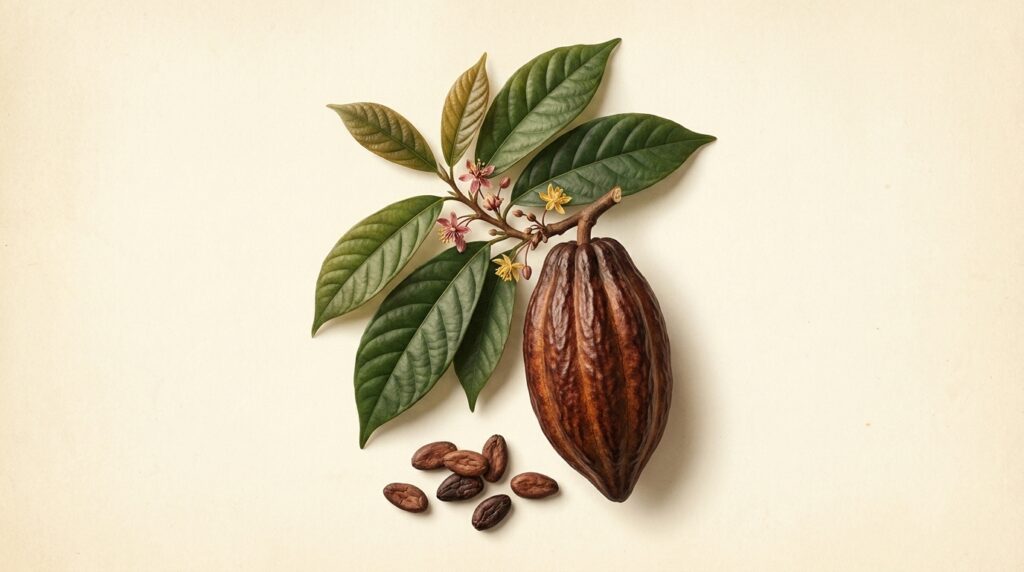
Pure cocoa naturally contains various minerals, including magnesium, iron, copper and manganese.
Magnesium, for example, is involved in numerous enzymatic processes and plays a role in the normal functioning of the muscles and the nervous system.
Copper and iron also have various physiological functions in the body.
The exact amount varies depending on the type of cocoa and, of course, on how much you use. Nevertheless, its natural mineral composition clearly shows that pure cocoa offers much more nutritional value than just its characteristic flavour.
One of the most characteristic compounds in cocoa is theobromine.
Theobromine, together with caffeine, belongs to a group of compounds known as methylxanthines.
Although the molecules are related, they do not have exactly the same pharmacological profile. Cocoa generally contains considerably more theobromine than caffeine.
This unique ratio contributes to the distinctive character of cocoa and makes theobromine an interesting focus of research into the physiological effects of cocoa.
It is also a lovely reminder of just how complex a cocoa bean actually is: behind that familiar flavour lies an impressive array of natural plant compounds.
One particular area of research is the relationship between Cocoa and our gut bacteria.
Not all polyphenols from cocoa are fully absorbed in the small intestine. Some of them travel on to the large intestine, where they come into contact with the gut microbiome.
There, gut bacteria can convert these compounds into various metabolites.
At the same time, scientists are investigating how cocoa polyphenols themselves may influence the composition and activity of the microbiome.
This makes cocoa part of a fascinating interplay:
We process cocoa, but our gut bacteria do too.
Research into this interaction is helping us to gain an ever-better understanding of how a plant-based diet and the gut microbiome are linked.
The polyphenols in cocoa have antioxidant properties.
Oxidative processes are constantly taking place in our bodies. These can give rise to reactive molecules, but at the same time the body has its own extensive systems for dealing with them.
Cocoa polyphenols are being studied for their interaction with processes involved in oxidative stress and cellular protection.
This area of research is not only relevant to cocoa itself, but forms part of a much broader scientific question: how can plant-based nutrients contribute to the way our bodies cope with daily cellular stress?
It is precisely the high concentration of polyphenols that makes cocoa an interesting foodstuff in this respect.
Cocoa has also attracted attention within the field of sports science.
Researchers have studied cocoa flavanols in relation to, amongst other things, vascular function, blood flow, oxidative stress, metabolism and recovery following exercise.
It is, in particular, the combination of flavanols and the effects currently being investigated in relation to vascular function that makes cocoa of interest from a sports physiology perspective.
Cocoa need not, therefore, be merely a relaxing morning or evening ritual. It is also a foodstuff with an interesting nutritional and physiological profile for those leading an active lifestyle.
Healthy ageing — growing old healthily — is the result of what we do time and time again over the years.
Diet, exercise, sleep, stress management, social connections and other lifestyle factors all play a part in this.
And it is precisely within that wider context that cocoa is of interest.
The combination of flavanols, minerals, theobromine and other bioactive plant compounds ensures that cocoa is studied within various fields of research relevant to cardiovascular, metabolic and cognitive health.
That is very much in line with how we at Wise Rootz approach healthspan watch.
It’s not just about living longer, but about making a conscious investment in the years during which you want to remain healthy, energetic and full of vigour.
A daily cocoa moment can be something very simple: a food that you appreciate for its ingredients, and a ritual that you enjoy repeating time and again.
Perhaps this is one of the most important characteristics to understand.
Cacao is not a fully standardised product.
The genetics of the cocoa bean, the soil, the climate, fermentation, drying, heating and further processing all influence flavour, aroma and composition.
As a result, cocoa from Colombia can have a very different character to cocoa from, for example, Ecuador, Peru or West Africa.
Even within a single country, there are significant differences between regions, varieties and production methods.
That is why, at Wise Rootz, we pay close attention to origin and production.
Our cocoa comes from Huila in Colombia, a region with a rich cocoa culture. Wherever possible, we carry out key stages of the production process ourselves, so that we can oversee the cocoa from raw material to finished product.
For us, therefore, good cocoa is all about the bigger picture:
origin, processing, composition, flavour and the ritual surrounding it.

Perhaps that is ultimately what makes cocoa so special.
It is, at the same time, a food that has been around for centuries, a natural source of various plant compounds and minerals, and something that can very easily become part of your daily routine.
Science is giving us an ever-greater understanding of flavanols, theobromine, minerals, the microbiome, vascular function and cognitive health.
But cocoa doesn’t have to be complicated to be special.
A hot cup. A few minutes to yourself. The aroma of pure cocoa. And a foodstuff with a history stretching back thousands of years.
That’s also how we at Wise Rootz view cocoa:
nature, science and ritual in a single moment of everyday life.
Discover Wise Rootz’s ceremonial cocoa.
Would you like to delve even deeper into the science, composition, origin and production of cocoa? Then read our comprehensive guide Ceremonial Cacao: What Is It, What Does It Contain, and What Does the Science Say?
This information is intended for general and educational purposes and is not a substitute for personal medical or nutritional advice. The scientific studies discussed relate to different types of cocoa, cocoa extracts and quantities; research findings cannot therefore automatically be applied to every cocoa product. A healthy lifestyle and a varied, balanced diet remain the foundation.